













Metal Damper
-
 Product Images
Metal Damper
Product Introduction
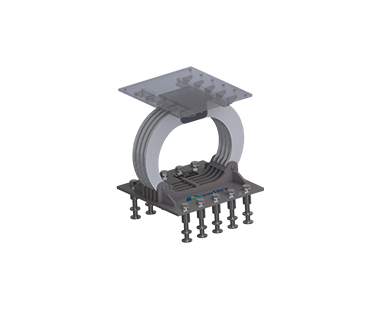
A Metal Damper is a passive control device that reduces structural vibrations by dissipating energy through the plastic deformation or friction of metallic materials. Its core working principle involves converting structural vibrational energy into thermal energy through the metal's hysteretic energy dissipation (i.e., energy loss during repeated loading and unloading cycles). This process effectively reduces structural response and is widely applied in the seismic and wind-resistant design of engineering structures such as buildings and bridges.
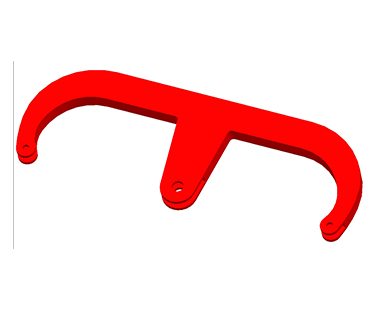
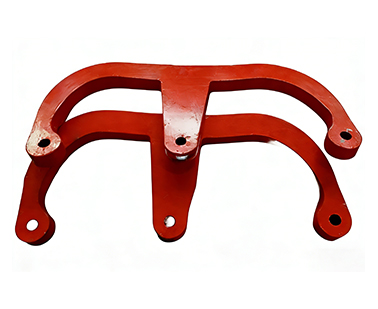
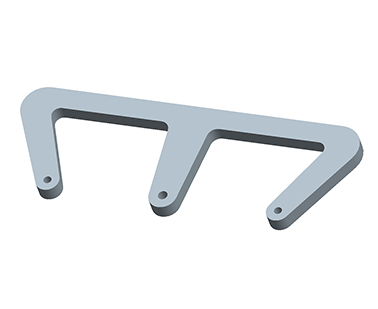
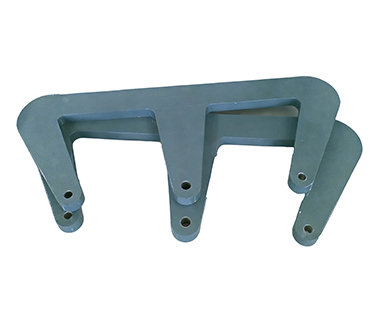
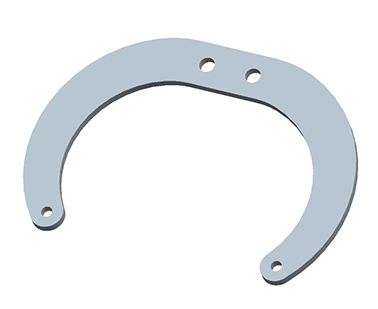
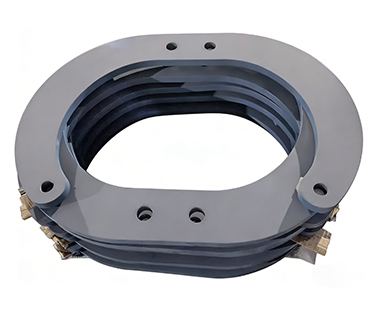
Common metal dampers are designed into various geometric shapes according to their energy dissipation principles and structural requirements to optimize the efficiency of plastic deformation or friction energy dissipation. Typical shapes used in bridge engineering structures include C-type, E-type, and M-type, among others.
Advantages and Features
-
 Minimal Environmental Impact
Exhibits stable hysteresis curves, good low-cycle fatigue characteristics, and is less susceptible to environmental influences.
-
Optimized Design
Features an optimized cross-sectional design for equal strength, effectively avoiding stress concentrations.
-
Integrated Design
Can be integrally designed with bearings. Steel damping bearings provide both vertical support and horizontal hysteretic energy dissipation capabilities.
Project References
-
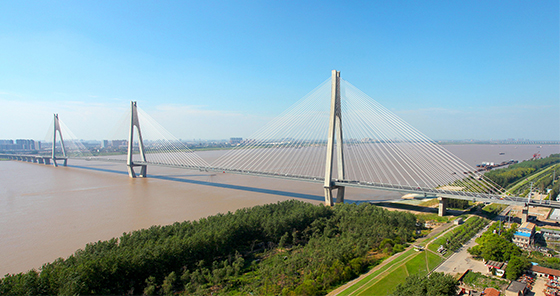
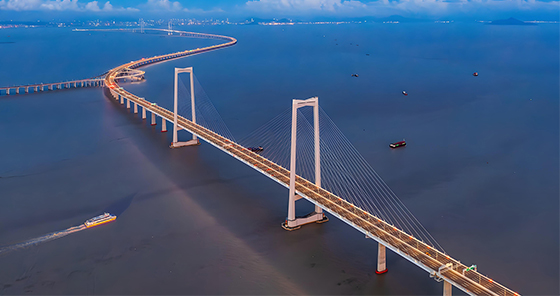
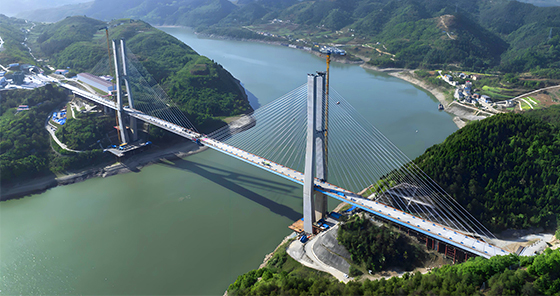
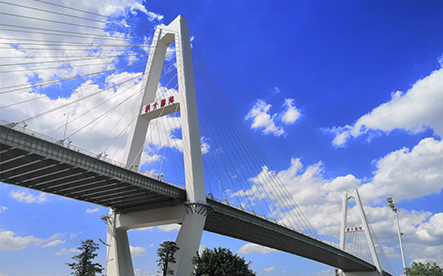 Jieyang City, Guangdong ProvinceJieyang BridgeBridge Type:Cable-Stayed Bridge Products: Viscous Dampers, Metal Dampers
 -
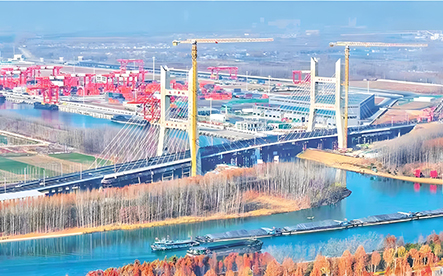 Jining City, Shandong ProvinceLonggonggang BridgeBridge Type:Cable-Stayed Bridge Products:Viscous Dampers
 -
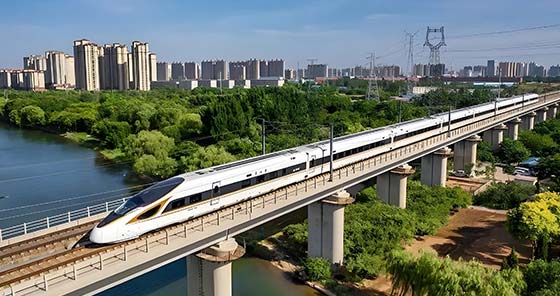
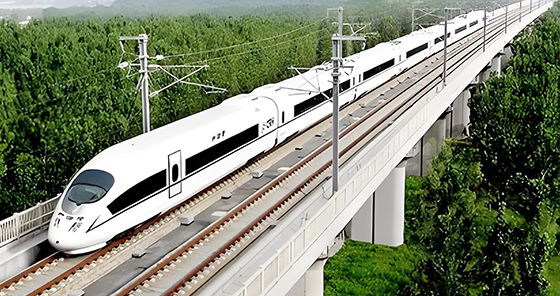
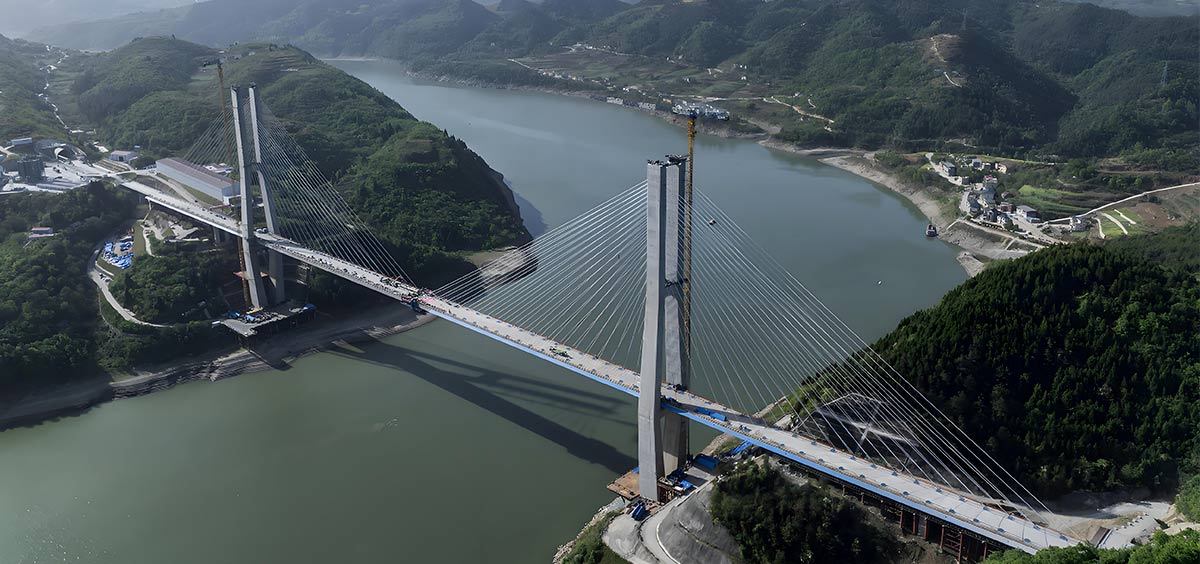 Shiyan City, Hubei ProvinceXishi High-Speed Railway Hanjiang River Super-Major BridgeBridge Type:cable-stayed bridge Products:Viscous damper